
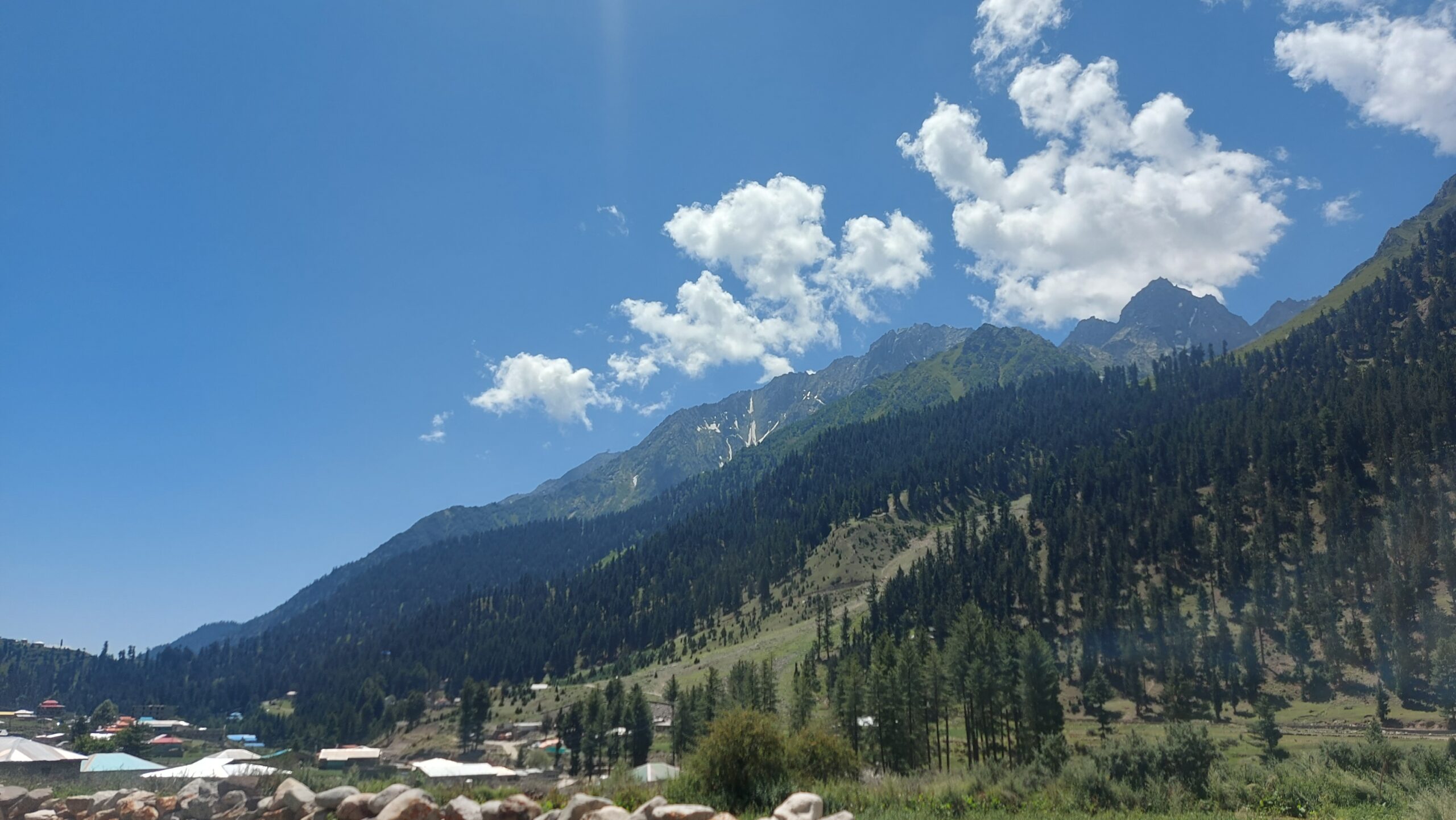
Naltar to Ishkomen Ghizer Trek
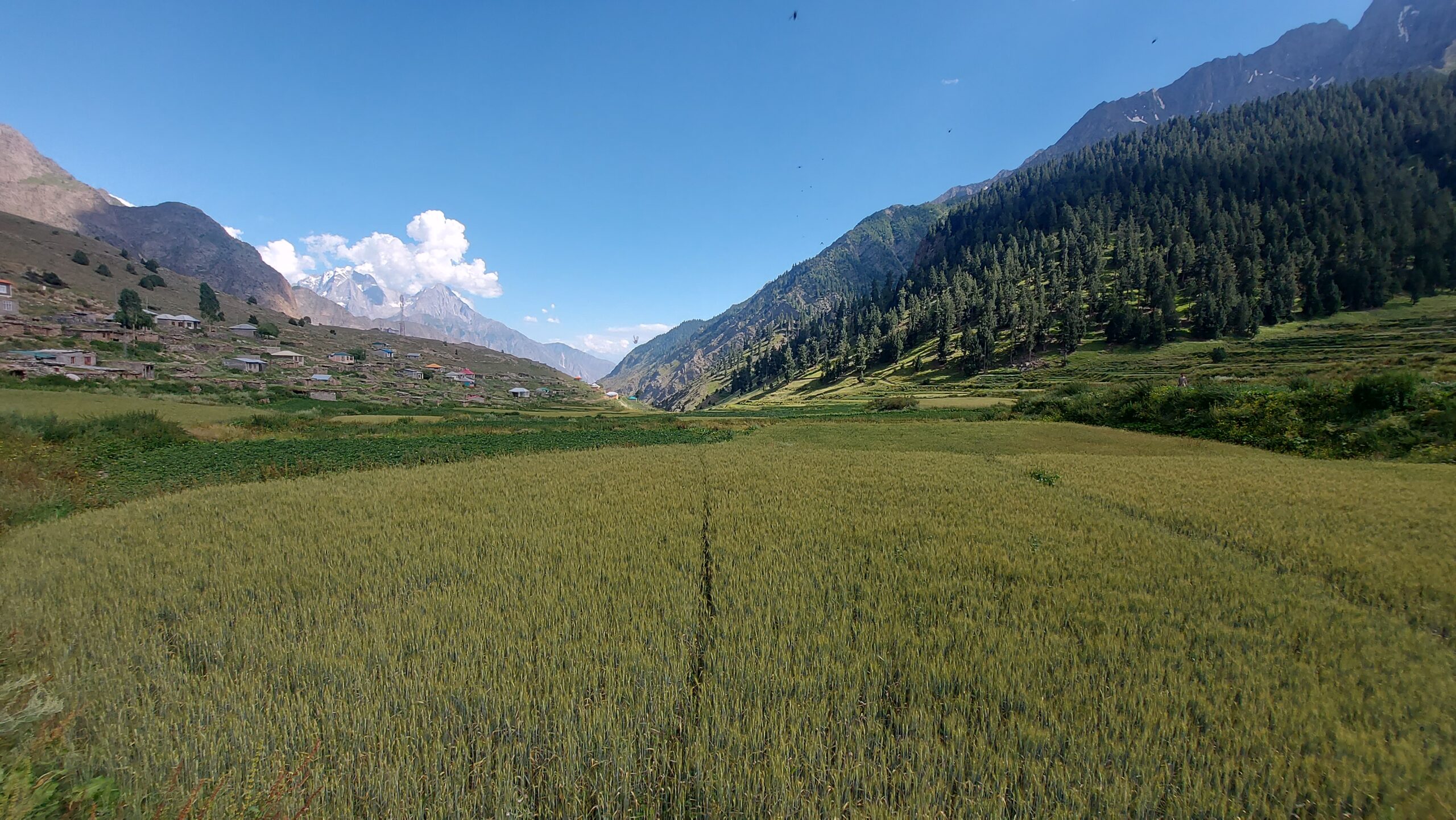
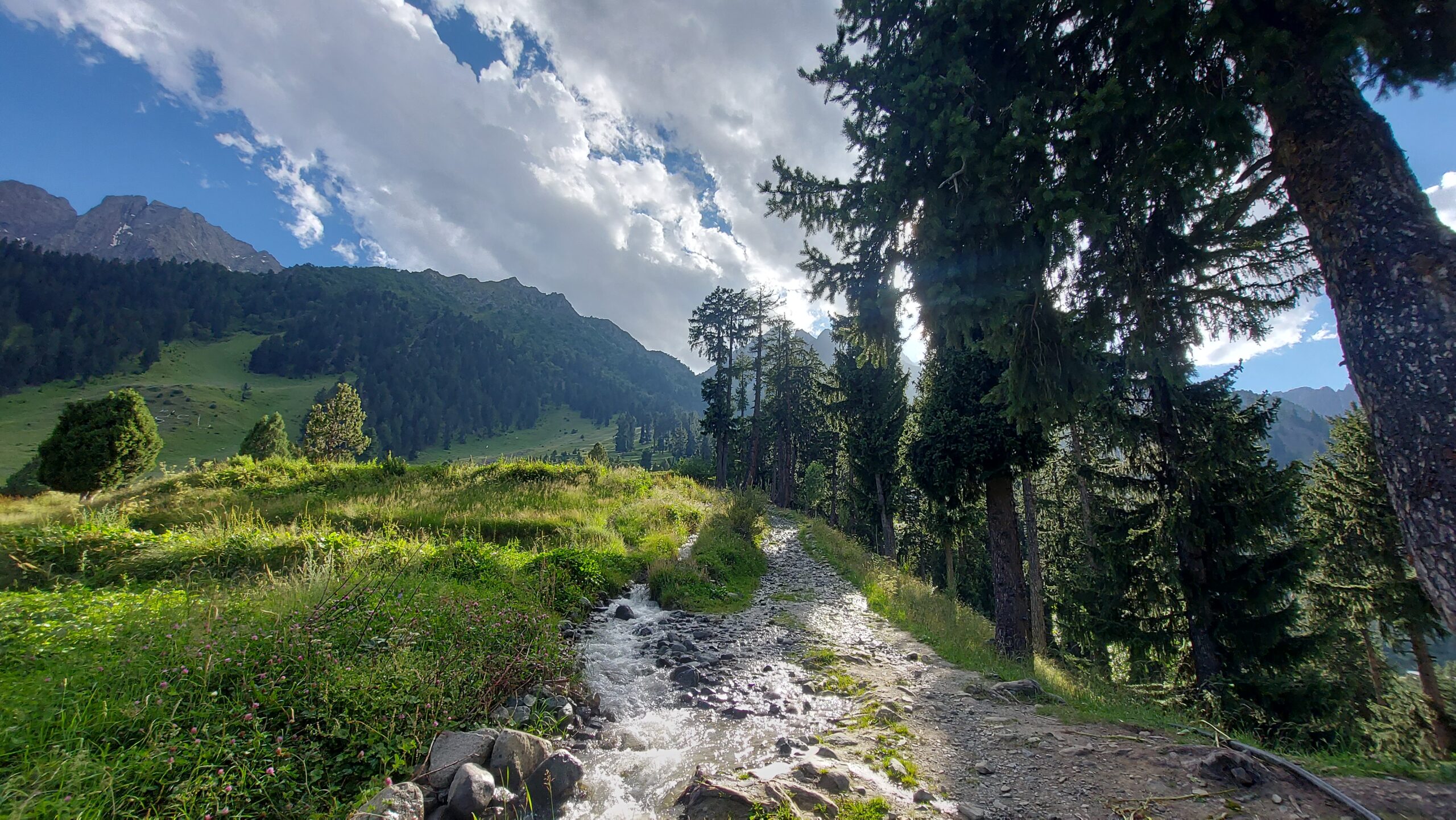
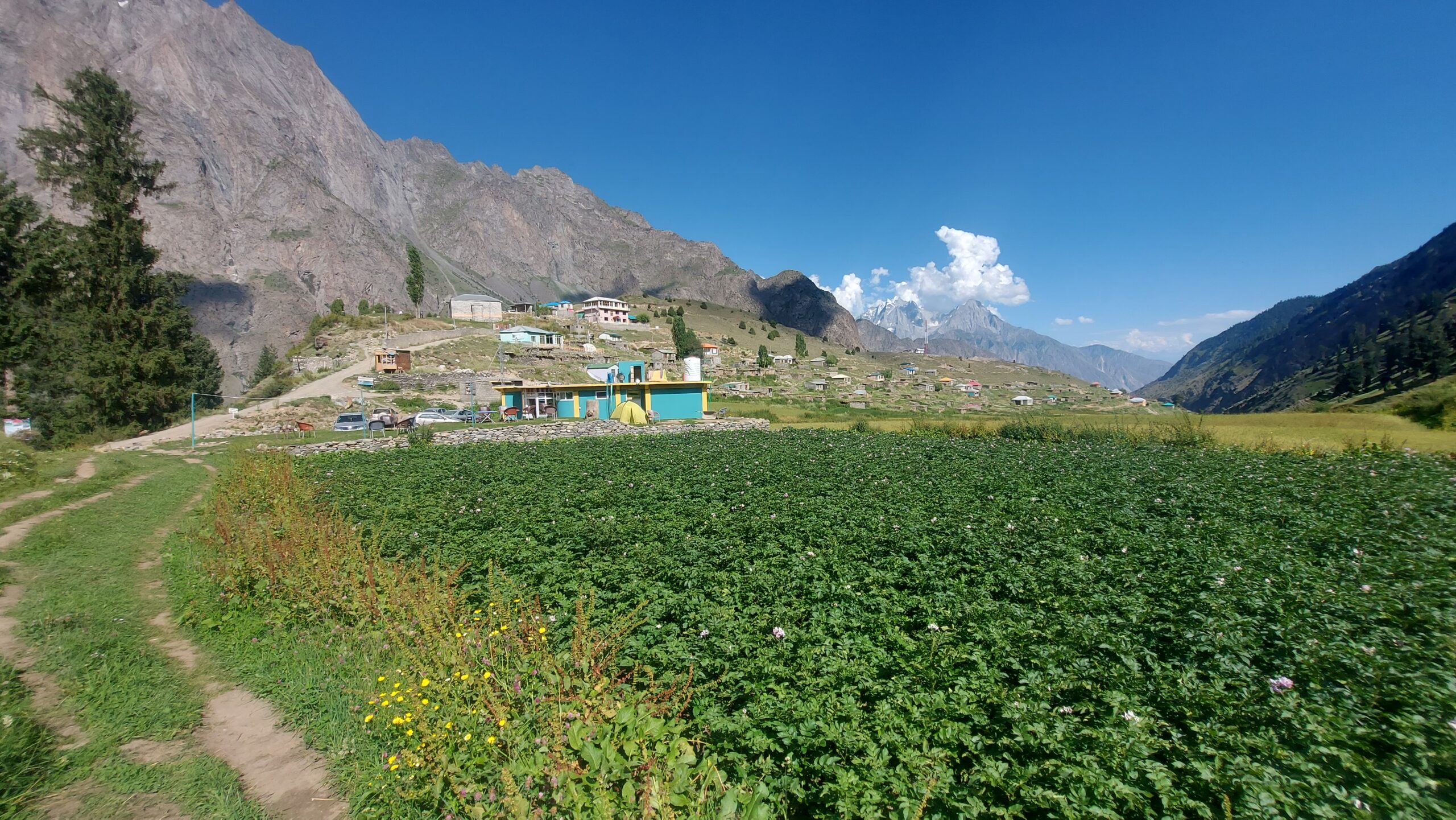
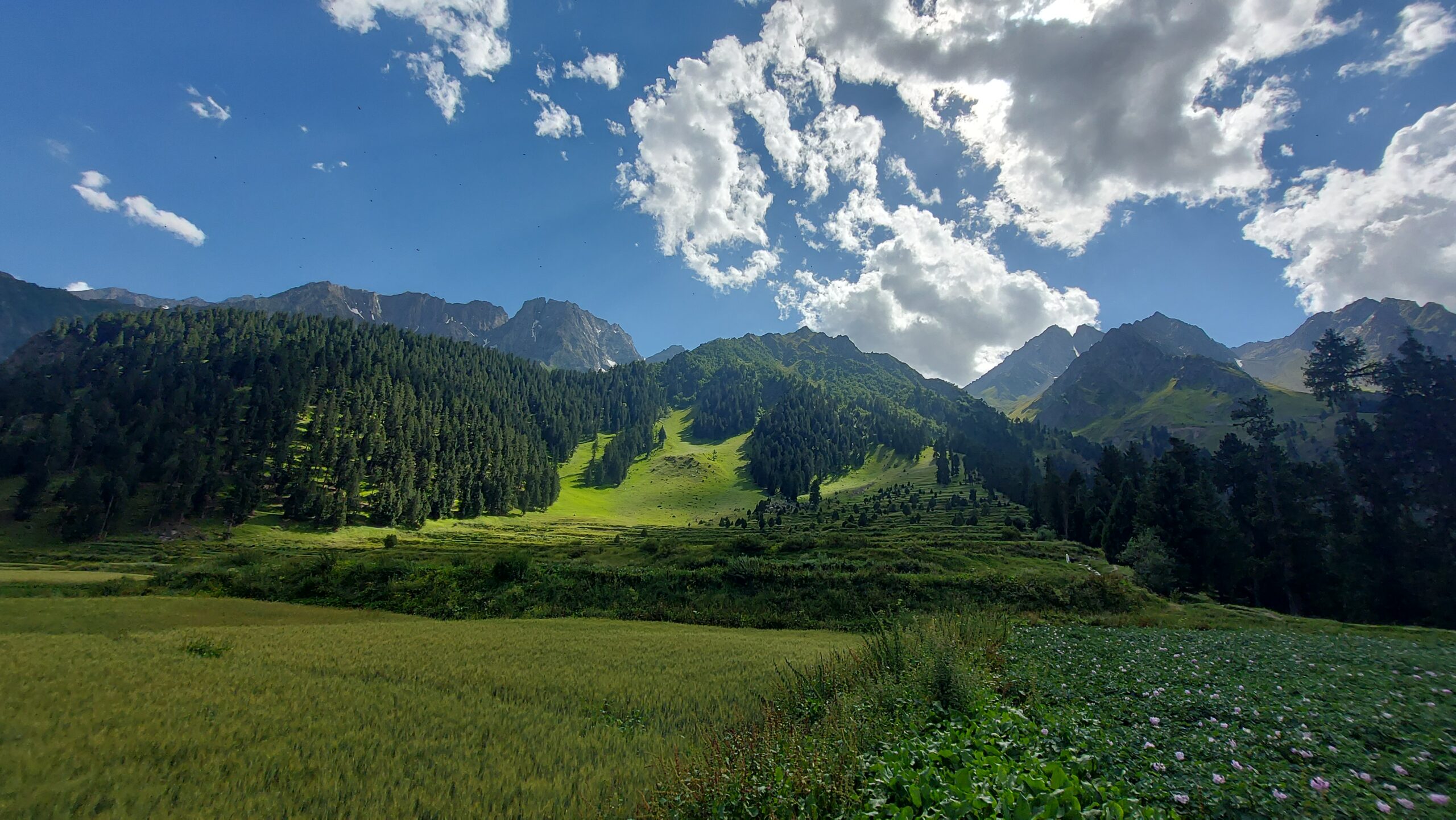
The Naltar to Ishkomen trek is a scenic adventure that connects two of Gilgit-Baltistan’s most beautiful valleys. Starting from the lush forests and colorful alpine lakes of Naltar Valley, the trail climbs steadily towards the high Naltar Pass (4,600 m), offering spectacular views of the Karakoram and Hindukush ranges. After crossing the pass, the route descends into the remote and pristine Ishkomen Valley, known for its green meadows, traditional villages, and untouched natural beauty.
This trek combines alpine landscapes, high mountain passes, and cultural encounters with local communities, making it a rewarding experience for trekkers seeking an off-the-beaten-path journey in northern Pakistan.
Location: Naltar (Gilgit) and Ishkomen (District Ghizer) - Gilgit Baltistan
Tips:Guides & porters: Mandatory guide in Ghizer; porters optional but helpful with gear
Connectivity: 4G is unreliable; Ghizer & Naltar have spotty coverage, especially outside villages
Safety:
Check snow/melt conditions before crossing passes
Travel by day; avoid off‑road driving in darkness
Wildlife & scenery: Dense forests, high‑altitude flora, alpine lakes, possible sightings of Himalayan ibex or snow leopard in sanctuary areas
Equipment: Camping gear, warm clothing, sturdy boots, trekking poles; possibly crampons/ice‑axe depending on snow
Season focus: Late July to early September for safest snow‑free crossing
Opt for local trekking agencies: They arrange guidance, porters, permits (e.g., Hunza Guides, World Trek Adventure, Summit Karakoram)
Allow 7–10 days: Including acclimatization, camp time, and buffer for weather
Highlights
- Elevation gain: Trek reaches 4,700 m
- Physical challenge: Moderate to demanding; snow/ice possible
- Best time: June–September – alpine meadows, drivable passes
- Navigation: Local guide required in restricted zones (Ghizer requires permits/guided trek)
- Traverse through three high passes (4,500 m)
- Cross from Naltar’s lush pine forest valley to Ghizer’s rugged alpine landscapes
- Witness stunning lakes: Satrangi, Blue, Feroza, and others
- Panoramic vistas of Rakaposhi, Shani Peak, Diran, and Hindukush peaks
- Key passes: o Naltar Pass at 4,600 m (north of Shani Peak) o Pakora Pass (4,710 m) on Naltar–Ghizer route o Alternative: Hayal Pass (~4,700 m) gives access to Ghizer via Ishkoman
Company responsibility
- Local logistics
- Accommodation/camping/food
- Transportation
- Guides, porters etc.
- Permits/NOCs where necessary
- A first Aid Box with very basic medicines
- Emergency rescue, helicopter charter
- Dress and personal equipment e.g. ice – axe, boot, crampons, trekking poles, sunglasses etc.
- Individual/group Insurance
- Visa
- Passports
- International air ticketing
- Helicopter Payment (refundable after safe trek).
Drive from Gilgit to Naltar Valley (approx. 2 hrs by jeep).
Explore Naltar Lakes (Satrangi, Blue & Green Lakes).
Overnight stay in Naltar Valley camp/guesthouse.
Trek begins from upper Naltar.
Gradual ascent through alpine meadows and pine forest.
Camp near the base of Naltar Pass (approx. 3,800 m).
Early start to cross Naltar Pass (4,600 m approx.).
Scenic views of the snow-covered peaks of Hindukush and Karakoram.
Descend into Gutulti Valley (Ishkoman side).
Camp at Gutulti (lush pastures).
Trek through alpine pastures and shepherd settlements.
Cross streams and wooden bridges.
Reach Pakora village in Ishkoman Valley.
Overnight stay in local guesthouse/camp.
Easy walking/drive down the valley.
Visit nearby villages (e.g., Chatorkhand, the administrative hub of Ishkoman).
Experience local Wakhi & Kho culture.
Overnight in Chatorkhand.
Drive back to Gilgit (4-5 hrs) via Gahkuch.
Frequently Asked Questions
FAQ's
It gives panoramic views of Hindukush and Karakoram mountain ranges, valleys and lifestyle of the local population.
Theregion is safe and peaceful. Locals are well known for hospitality, cooperation and support.
Among many, Sitar music (using the traditional instruments) and traditional performance is famous.