
K2 Base Camp (via Concordia & Baltoro Glacier)
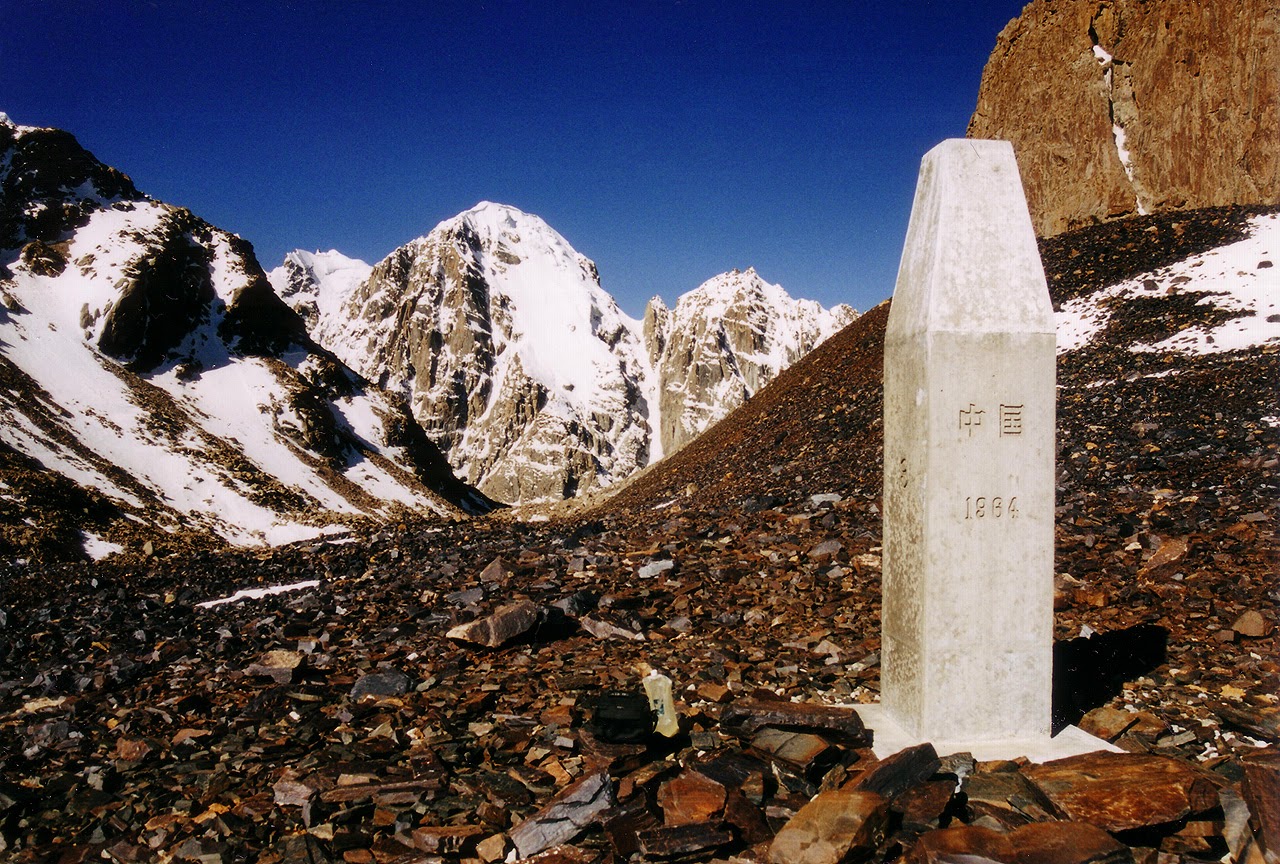
The Mintaka and Kilik Pass trek takes you along one of the oldest Silk Route corridors that once connected Central Asia with the Hunza Valley. Situated in the far north of Pakistan’s Gilgit-Baltistan, these high-altitude passes lie within the Khunjerab National Park, bordering China’s Xinjiang region.
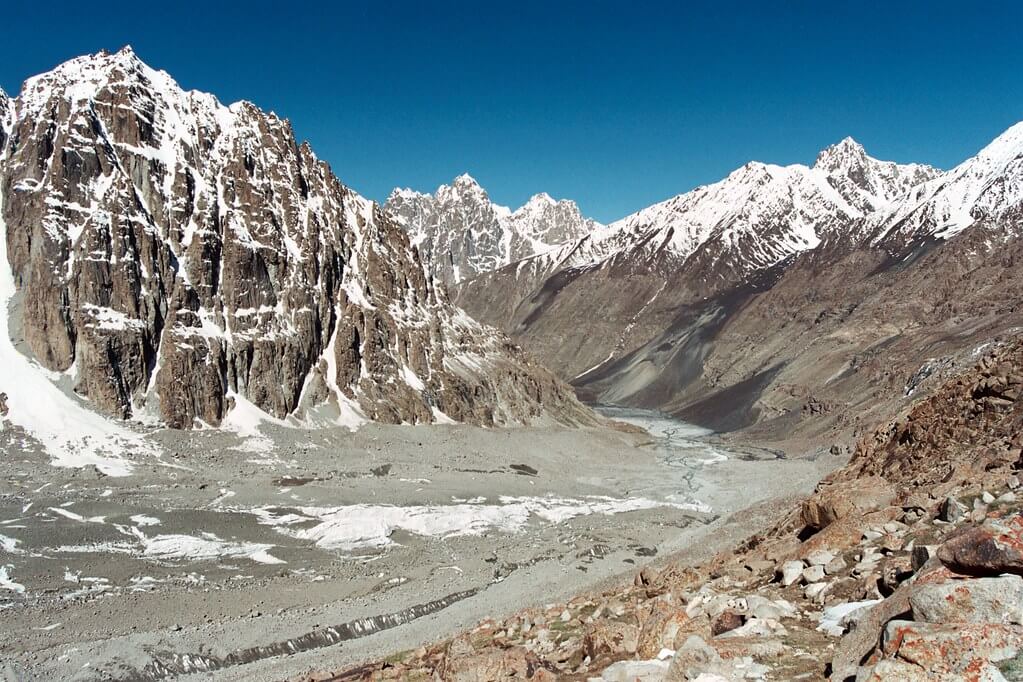
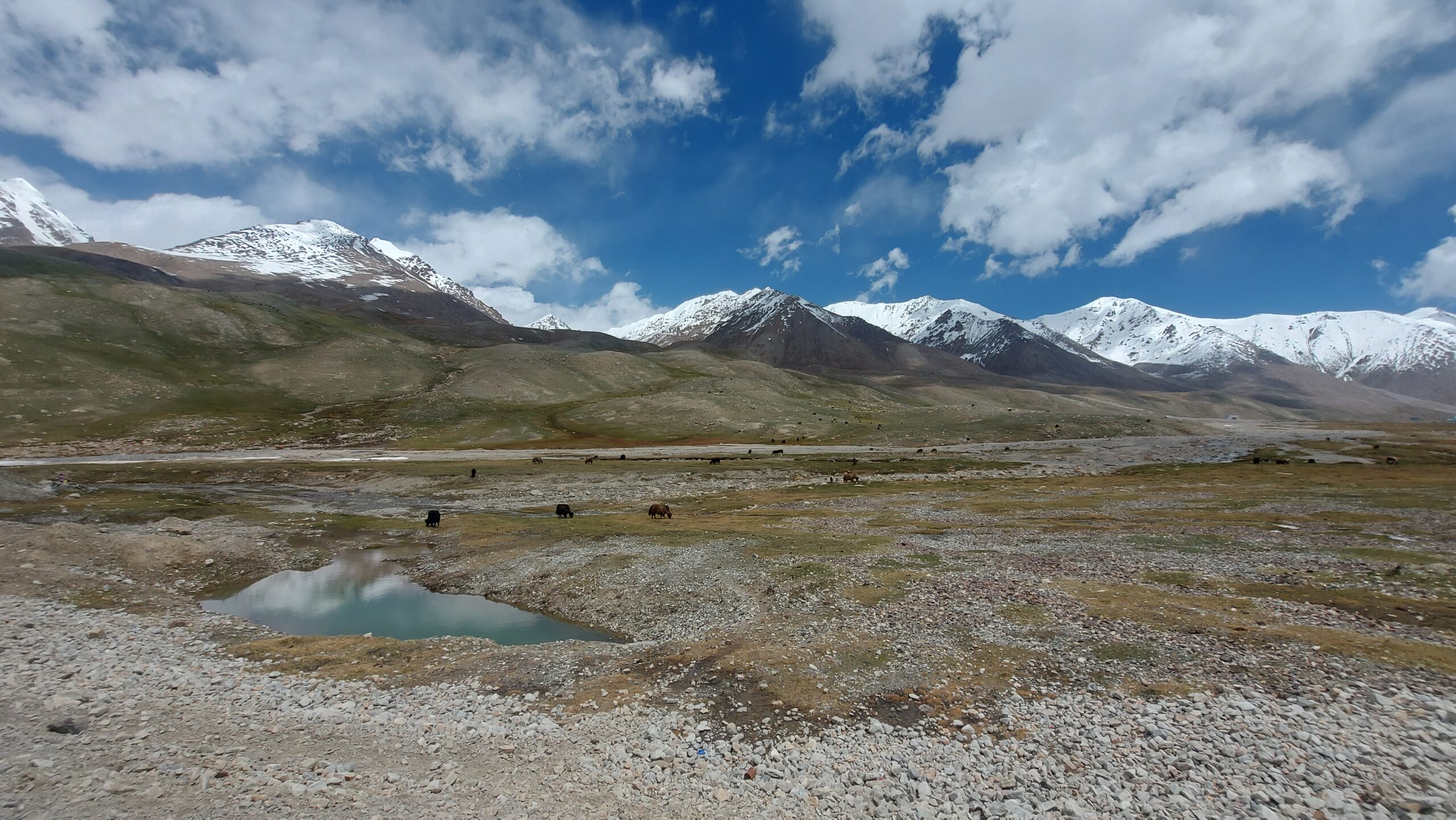
The trek follows lush alpine meadows, glacial streams, and remote summer pastures where Wakhi herders still graze their livestock. Standing at elevations of over 4,700 meters, Mintaka (4,709 m) and Kilik (4,827 m) offer breathtaking views of the Pamirs, the Karakoram, and the Hindu Kush mountains. On clear days, the panorama stretches deep into the Chinese Taxkorgan Valley.
This trek is moderately challenging but does not require technical climbing, making it ideal for those who want to explore remote landscapes rich in history and natural beauty. Along the way, trekkers may spot ibex, marmots, blue sheep, and, with great luck, the elusive snow leopard. Far from the busy trekking trails of Hunza, the Mintaka & Kilik route offers a rare blend of wilderness, history, and cultural heritage, making it one of the most rewarding hidden gems of the Karakoram.
Location: Gojal, Hunza
Tips:Camping: 3-season tent, sleeping bag (−10 °C), sleeping pad.
Clothing: Insulating layers, waterproof shell, trekking pants, gloves, hat.
Footwear: Waterproof trekking boots, plus good socks.
Other essentials: Trekking poles, sun-block, first aid kit, water purification, sunscreen.
Fitness: Endurance training 4–6 weeks prior; include hikes with elevation gain.
Respect zone rules: no crossing into Chinese territory; don't descend on north side of Mintaka.
Highlights
- Elevation: Mintaka Pass – 4,709 m; Kilik Pass – 4,827 m
- Necklace of Passes: Mintaka was the ancient “Pass of a Thousand Ibex” used by traders; Kilik became more common later
- Trail Conditions: Glacier free, grassy valleys with clear trails across springs, meadows, and occasional rocky sections
- Wilderness & Wildlife: Likely sightings of ibex, marmots, wolves, bears; spectacular Karakoram–Pamir panoramas.
- Best Season: Mid June to early September. Outside this window, snow and unstable weather can seal the passes
- Permits: FCNA NOC from Gilgit for Misgar Valley required; your tour operator will typically handle this
- Difficulty: Moderate to challenging due to high altitude (4,500 m). Good fitness and some acclimatization are essential.
Company responsibility
- Local logistics
- Accommodation/camping/food
- Transportation
- Guides, porters etc.
- Permits/NOCs where necessary
- A first Aid Box with very basic medicines
- Emergency rescue, helicopter charter, if required.
- Dress and personal equipment e.g. ice – axe, boot, crampons, trekking poles, sunglasses etc.
- Individual/group Insurance
- Visa
- Passports
- International air ticketing
- Helicopter Payment (refundable after safe trek).
Mintaka & Kilik Pass Trek – Ancient Silk Rout trail
Arrive in Islamabad; overnight at hotel.
Fly (weather permitting) or drive via Karakoram Highway to Gilgit/Chilas; overnight in Gilgit.
Acclimatization, settle in with dramatic views of Rakaposhi and Ultar, sunset from Duikar e.g. Eagle's Nest Hotel, local music and performance
Explore Baltit & Altit forts, local markets etc and depart for Sost via Attaabad Lake, Passu Cones, Gulmit, Hussaini suspension bridge in the afternoon.
- Optionally visit Gilkey Memorial.
- Trek duration: 10–12 hrs (round trip)
Frequently Asked Questions
FAQ's
Yes, at the end of the trek, from Sost it can be planned to visit which takes about 2 to 3 hours to reach Khunjerab Pass.
Because of being part of ancient Silk Route.
Theregion is safe and peaceful. Locals are well known for hospitality, cooperation and support.